


Men's CaliforniaWetsuit Guide
Water temps, thickness recommendations, and expert brand breakdowns — so you spend less time guessing and more time in the water.
Southern California water ranges from 57°F in winter to 72°F in late summer. Men need a 3/2mm fullsuit from November through April, a springsuit or boardshorts from June through September, and a light 2/2mm or 3/2mm in May and October.
Southern California Water Temperature by Month
The Pacific off Huntington Beach follows a predictable annual cycle driven by the California Current and seasonal upwelling. Average posted temperatures can drop 3–5°F overnight during upwelling events — especially at dawn in summer. The table below applies to Orange County breaks: Huntington Beach, Newport, Salt Creek, Dana Point. Santa Monica runs slightly warmer in summer; San Clemente and Trestles can run cooler.
| Month | Water Temp °F | Water Temp °C | Condition | Recommended suit |
|---|---|---|---|---|
| January | 58–62°F | 14–17°C | Cold | 4/3mm or 3/2mm fullsuit |
| February | 57–61°F | 14–16°C | Cold | 4/3mm or 3/2mm fullsuit |
| March | 58–62°F | 14–17°C | Cool | 3/2mm fullsuit |
| April | 59–63°F | 15–17°C | Cool | 3/2mm fullsuit |
| May | 61–65°F | 16–18°C | Mild | 2/2mm or 3/2mm |
| June | 63–68°F | 17–20°C | Mild | 2mm springsuit or 2/2mm |
| July | 66–71°F | 19–22°C | Warm | Springsuit or boardshorts |
| August | 68–72°F | 20–22°C | Peak | Boardshorts or springsuit |
| September | 67–71°F | 19–22°C | Warm | Springsuit or boardshorts |
| October | 64–68°F | 18–20°C | Mild | 2/2mm or light 3/2mm |
| November | 61–65°F | 16–18°C | Cool | 3/2mm fullsuit |
| December | 59–63°F | 15–17°C | Cold | 3/2mm or 4/3mm fullsuit |
Water off Huntington Beach and Newport can run 3–5°F colder than posted averages during summer upwelling events — especially at dawn. If you're surfing first light in June or September, bring a springsuit regardless of the forecast. Check the live HB Pier surf cam at jackssurfboards.com before you paddle out.
Wetsuit Thickness Guide
Wetsuit thickness is written as two numbers — torso thickness / limb thickness. A 3/2mm wetsuit has 3mm of neoprene through the chest and back, and 2mm in the arms and legs where you need more paddling freedom. Here is what each level means for men surfing Southern California.
Buy a quality 3/2mm fullsuit and use boardshorts in peak summer. A single 3/2mm covers roughly six months of Southern California surf — the other six split between a springsuit and boardshorts.
Types of Men's Wetsuits
Beyond thickness, the cut of a wetsuit determines coverage and freedom of movement. Here are the types every man surfing California should know.
Full body coverage — torso, arms, and legs. Available in back-zip, chest-zip, and zipperless. The standard for California winter and the most versatile investment.
Short arms with full legs, or full arms with short legs. Keeps your core warm while freeing the shoulders for your paddle stroke. SoCal summer morning standard.
Short arms and short legs. Sun and rash protection without heat buildup. Best for tropical travel or warm SoCal days where you want minimal coverage.
Neoprene torso cover only. Core warmth with fully free arms. Not a beginner choice — for experienced surfers who know when a vest is sufficient.
Neoprene jacket worn over boardshorts. Popular with longboarders on small summer days who want sun protection and light warmth without a full suit.
Integrated hood — built-in or attachable. Rarely needed in SoCal. Standard for Northern California in winter or Pacific Northwest year-round.
How to Choose the Right Men's Wetsuit
Five decisions drive every wetsuit purchase. Work through them in order and you will not choose wrong.
Decide thickness based on when you surf
Use the water temperature table above. The most common mistake men make is buying a suit too thin for winter or too thick for summer. For year-round SoCal surfing, a 3/2mm is the non-negotiable starting point. Dawn patrol from November through April in anything less means a short, cold session.
Choose your entry system
Back-zip
Traditional design. Easy to put on solo. Slightly more water flushing — not an issue at SoCal temps.
Chest-zip
Less water flushing, warmer in cold conditions. Slightly more effort to get on. The daily surfer's standard.
Zipperless
Stretch neck entry — no zipper at all. Maximum flexibility and warmth. Requires practice to use correctly.
In Southern California temperatures, back-zip suits are perfectly adequate. The warmth difference between systems matters most below 58°F.
Evaluate neoprene quality
Higher-end suits use Japanese limestone neoprene — lighter, more flexible, and more durable than petroleum-based alternatives. A $150 entry-level 3/2mm will keep you warm but paddling will feel stiff. A $350 premium 3/2mm uses neoprene so stretchy you barely notice it's there. For men who surf frequently or paddle hard, this difference is real every session.
Match investment to how often you surf
1–2 times per month: Mid-range ($200–$280) is appropriate. You won't wear it enough to feel the premium neoprene difference.
Weekly: Invest in a quality suit ($300–$450). The flexibility pays off every single session.
Daily: Buy the best you can afford and own two — one to wear, one to dry. Wet neoprene degrades faster when worn repeatedly without drying time.
Confirm the fit before you buy
No amount of neoprene quality compensates for a suit that fits wrong. Loose material anywhere creates a flush point — cold water constantly cycling against your skin. Every Jack's location has staff who surf and can confirm fit in thirty seconds. Find your nearest Jack's →
Break a $350 wetsuit into manageable monthly payments. Available at checkout on jackssurfboards.com — especially useful for high-performance suits and winter 4/3mm gear. Shop men's wetsuits →
Men's Wetsuit Brands at Jack's
Jack's carries seven men's wetsuit brands — the most complete selection in Southern California. Each has a distinct character and a surfer it's built for. Click any brand to shop the full collection.
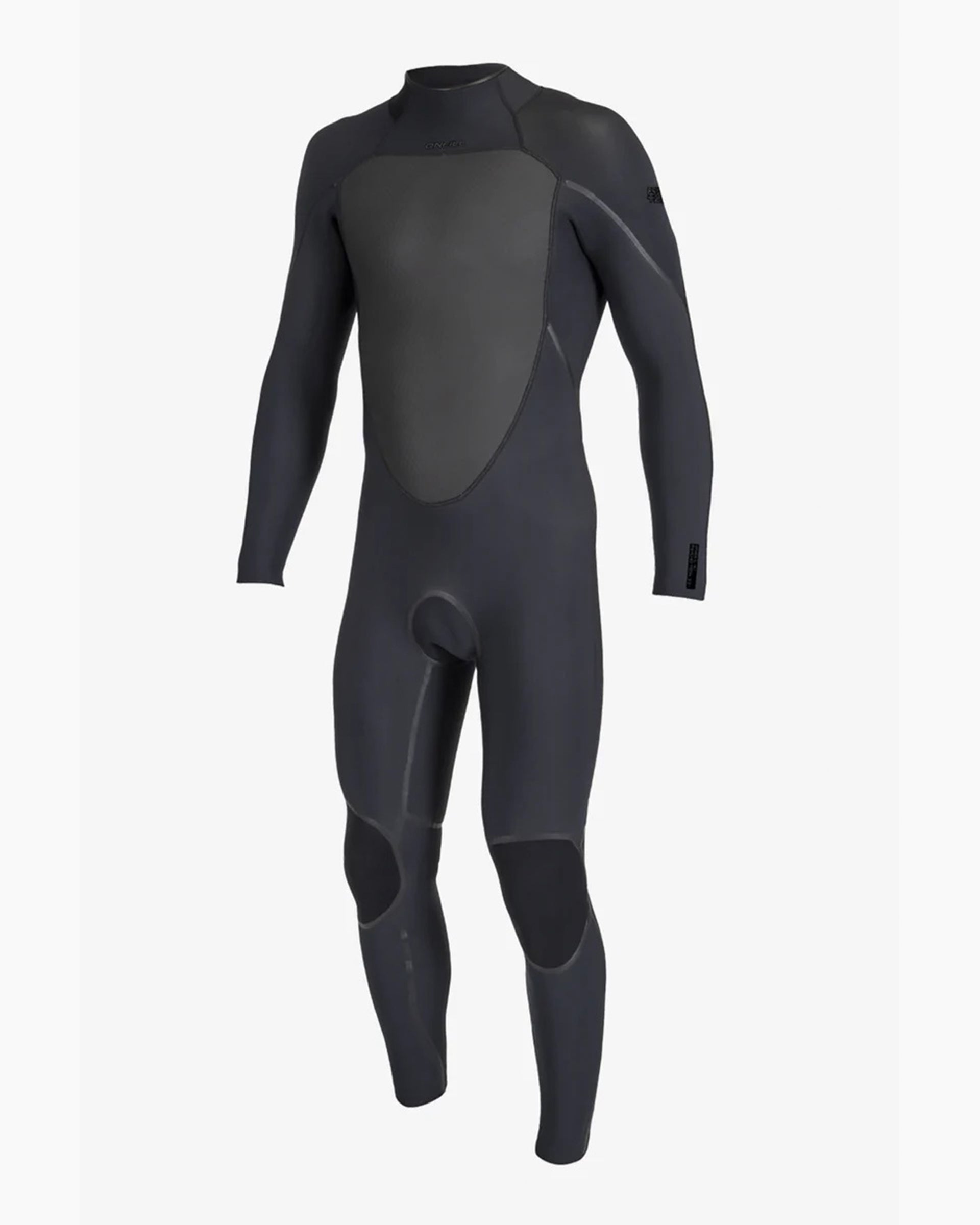
Jack O'Neill invented the modern wetsuit. No brand has more California surf DNA. The Psycho Tech uses TechnoButter 3 limestone neoprene — ultralight, stretchy, and nearly invisible on your body while surfing.
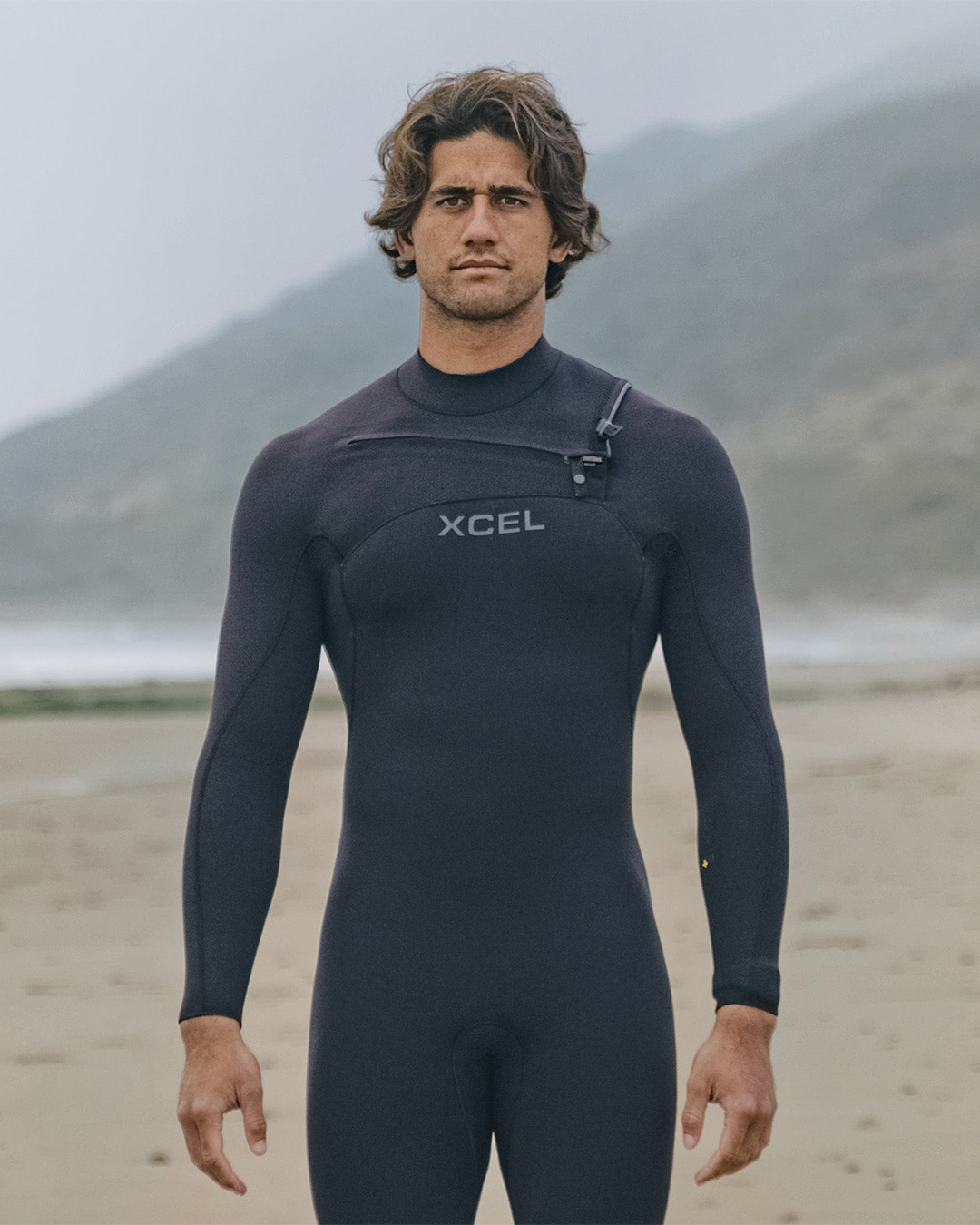
Built for cold Pacific water. Xcel suits run consistently warmer in genuinely cold conditions — the go-to for SoCal winter dawn patrol and travel to colder breaks. The Comp delivers premium performance at a mid-range price.
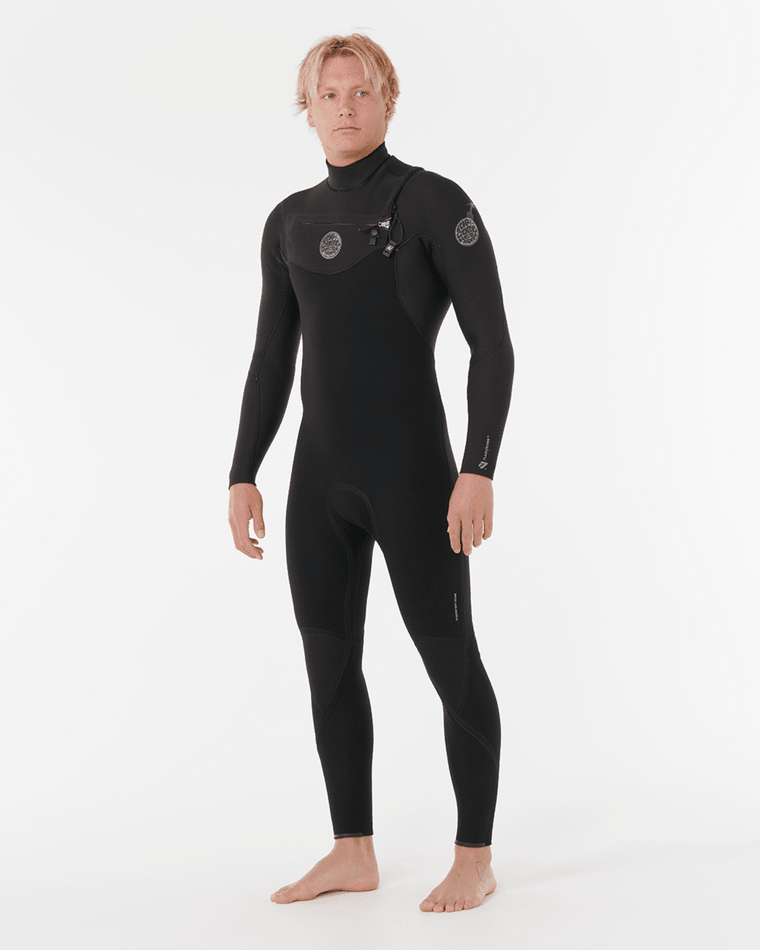
One of surfing's founding brands. The Flashbomb's flash lining dries faster on the inside than any other suit — a genuine advantage for men who surf multiple sessions per day and need their suit dry between sessions.
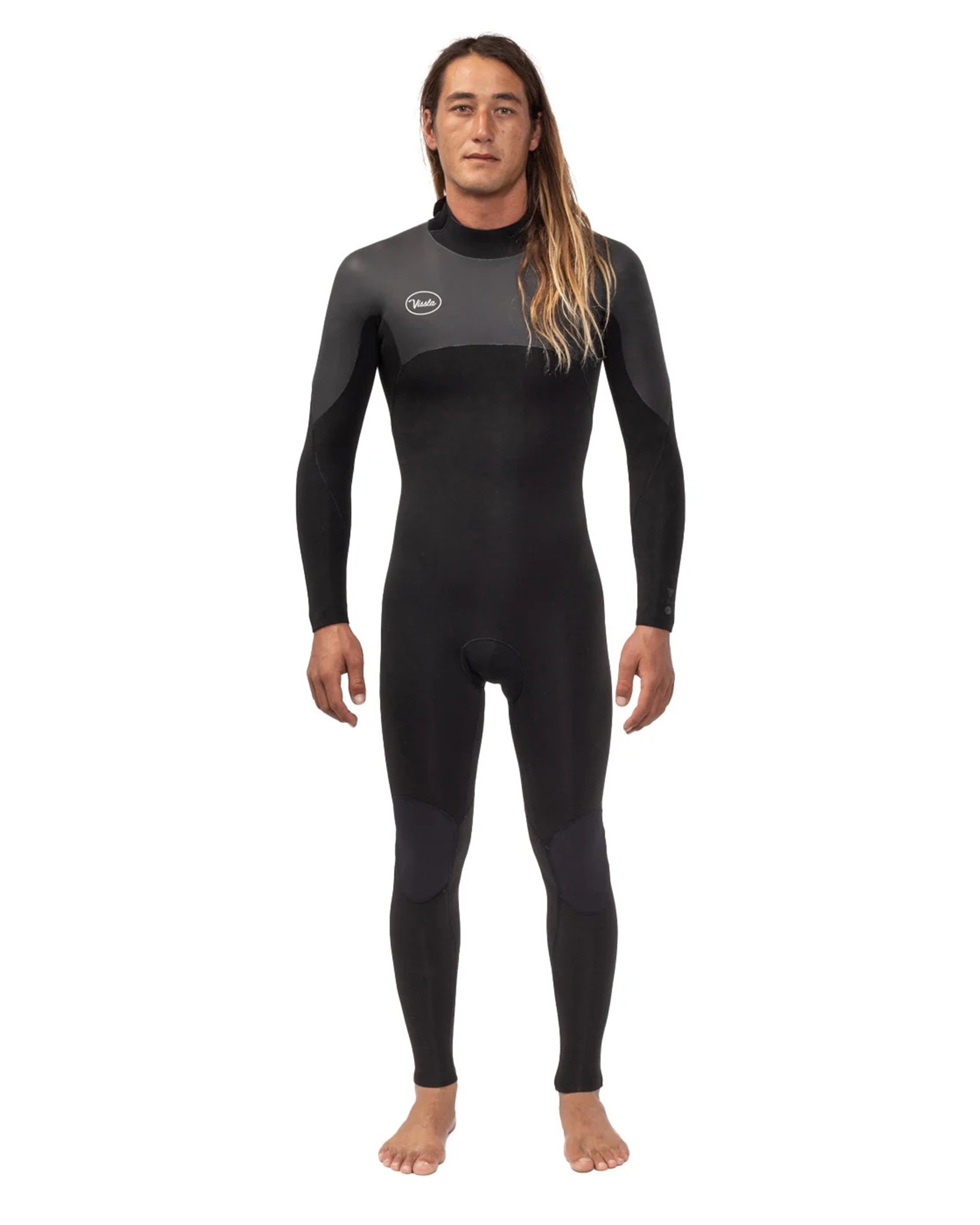
Made in SoCal for the surfer who cares what their gear is made from. Vissla's Geoprene uses limestone and recycled plastic bottles without sacrificing performance. The suit of choice at Trestles.
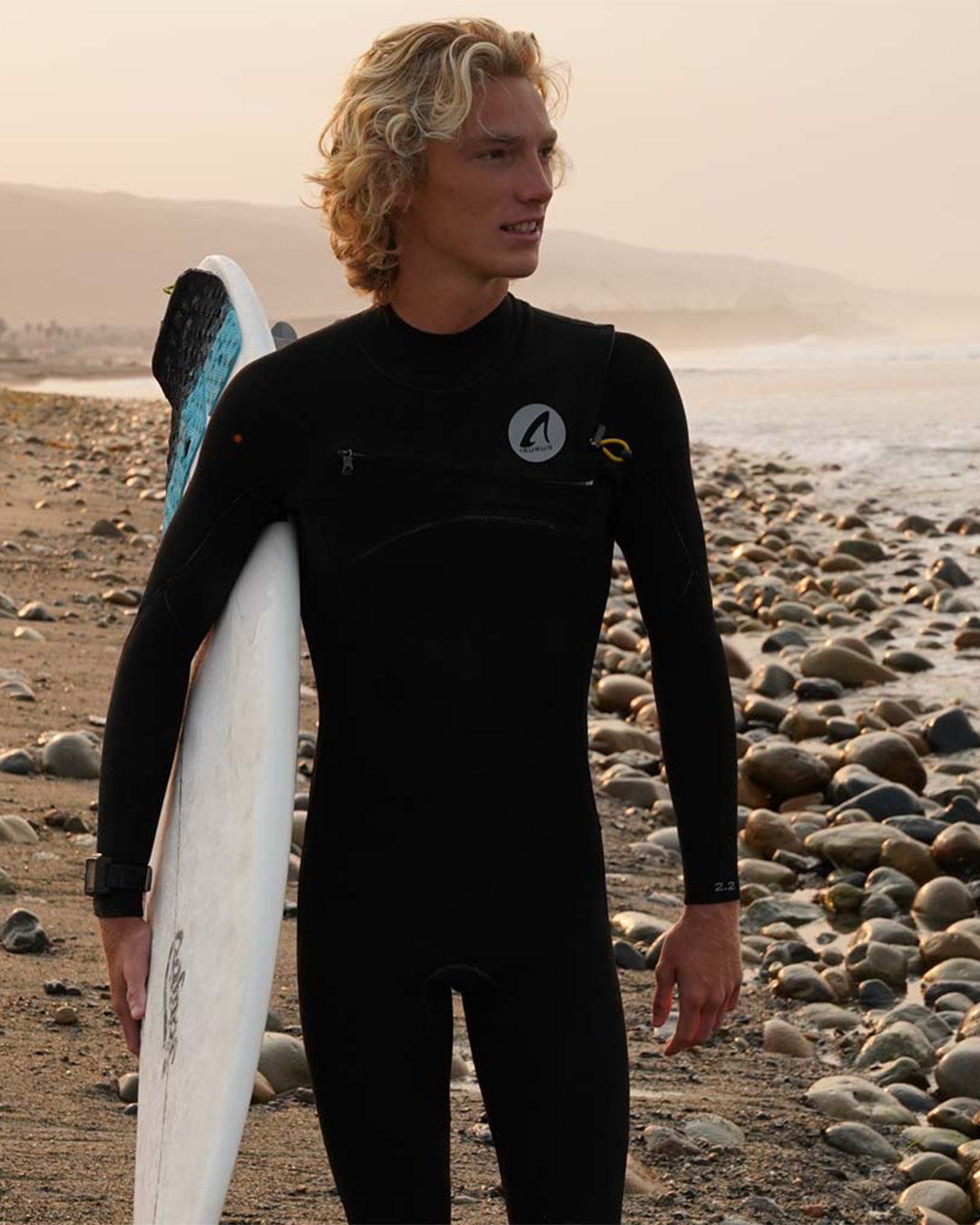
Merino wool lining — naturally temperature-regulating, warm in cold water, resistant to overheating as conditions shift. A genuine natural material alternative for men moving away from synthetic fleece linings.
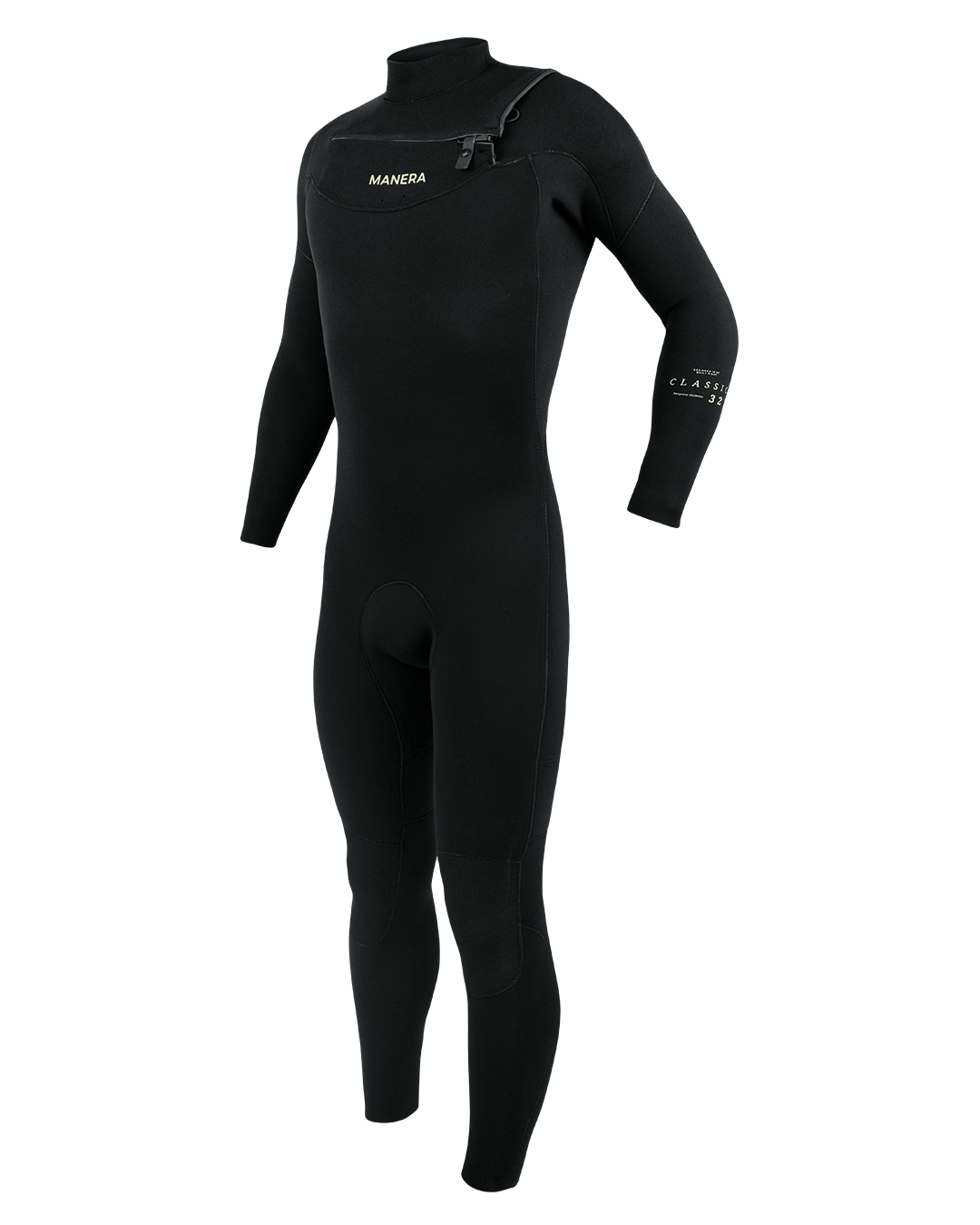
Premium performance suits for surfing, kiteboarding, and wing foiling in cold water. Popular among SoCal's growing foil surfing community. Right for men who travel to cold breaks or spend extended time in sub-60°F water.
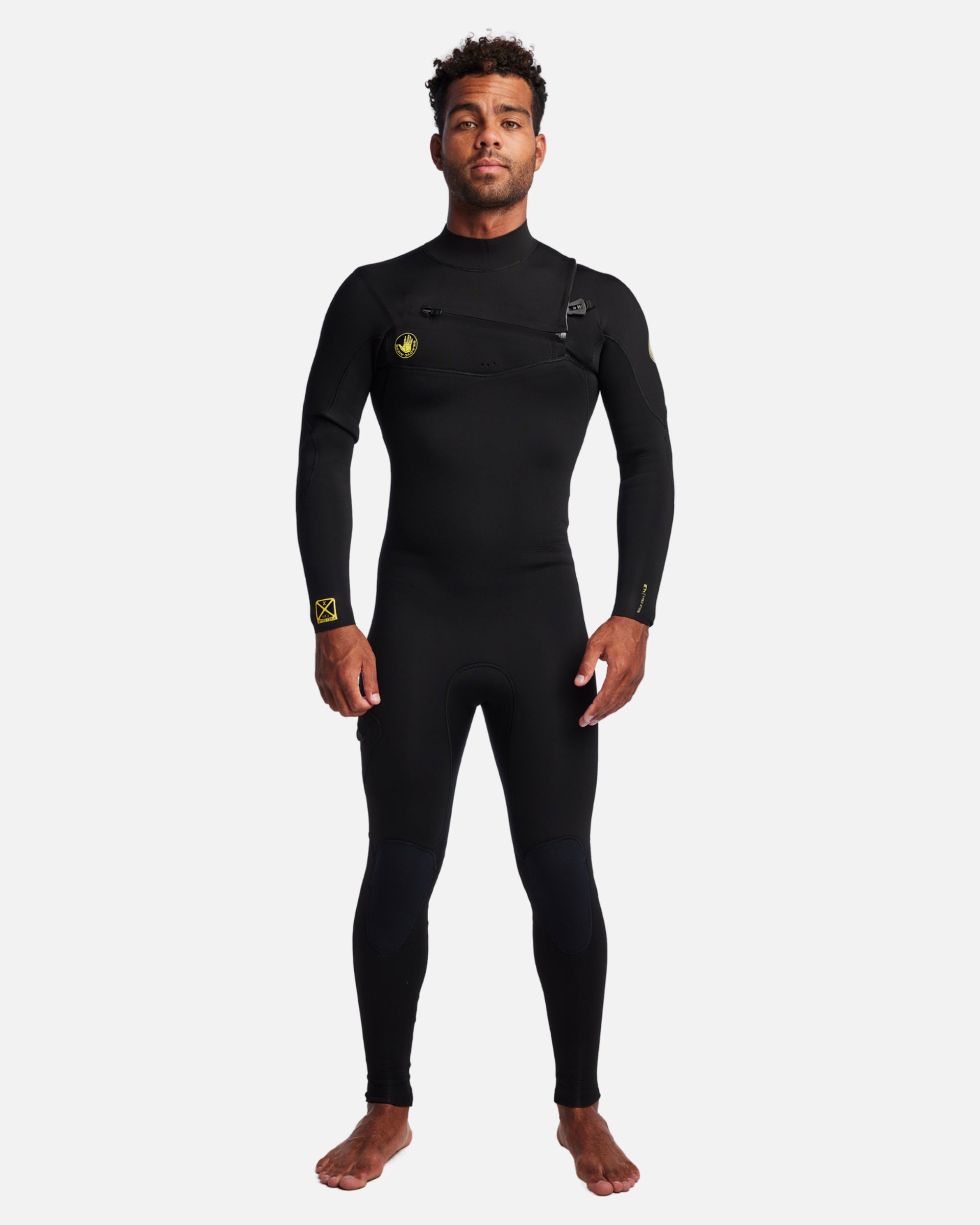
A Southern California original — one of the first wetsuit companies on earth. The most accessible price points at Jack's, making quality warmth available to men who are new to surfing or surf occasionally.
Men's Wetsuit Price Comparison
All prices below are for a standard 3/2mm fullsuit — the most purchased men's wetsuit at Jack's. Prices vary by entry system and neoprene tier within each brand. Affirm financing is available at checkout to spread the cost of any suit.
| Brand | Entry-level 3/2 | Mid-range 3/2 | Premium 3/2 | Best for |
|---|---|---|---|---|
| Body Glove | $70–$100 | $150–$200 | — | Beginners, casual |
| O'Neill | $130–$160 | $220–$300 | $350–$450 | Every level |
| Rip Curl | $100–$150 | $220–$300 | $380–$500 | Multi-session surfers |
| Vissla | $150–$200 | $250–$300 | $350–$380 | Eco-conscious surfer |
| Xcel | $130–$180 | $250–$320 | $400–$500 | Cold-water focus |
| Isurus | — | $300–$400 | $500–$600 | Wool-lined warmth |
| Manera | — | $250–$350 | $450–$600 | Cold-water travel |
Jack's Surfboards offers verified discounts for active military and healthcare workers via ID.me — particularly relevant at our San Clemente and Dana Point locations. Verify in-store or at jackssurfboards.com.
Men's Wetsuit Fit Guide
A wetsuit must fit snugly everywhere — no loose folds, no gaps. Any gap creates a pocket where cold water continuously flushes against your skin, defeating the suit's insulation entirely. When you first put on a correctly fitting wetsuit it will feel tight. That is correct. Neoprene relaxes in water and your body heat warms the thin layer trapped inside.
Neck
No visible gap between the neck seal and your skin. You should breathe normally and turn your head freely without restriction.
Armpits
No bunching. Extra material in the armpit restricts your paddle stroke and creates a constant flush point mid-session.
Torso
Flush with your body everywhere — no sagging in the chest or lower back, both of which become cold water channels.
Wrists & ankles
Tight seals with no gaps. These are the highest-flush entry points — loose seals undermine the entire suit's effectiveness.
Arm raise test
Raise both arms straight overhead. Slight resistance is correct — it disappears once you're in the water and paddling.
Overall
Tight everywhere, never painful. If it moves freely on dry land, it will flush constantly in the water — go one size down.
Every Jack's location has staff who surf and can confirm fit in thirty seconds. The HB flagship at 101 Main Street, Huntington Beach carries the deepest men's wetsuit inventory in Southern California — open 7 days, 8am–9pm. Find your nearest Jack's →
Wetsuit Care & Longevity
A quality wetsuit costs $200–$500. Proper care doubles its lifespan. Most suits fail prematurely not from wear, but from avoidable salt damage, UV exposure, and poor storage.
Rinse every session
Fresh water rinse immediately after every surf. Salt water degrades neoprene over time — never let a suit dry while still salted.
Dry inside-out in shade
Hang inside-out on a wide hanger. Shade only — UV light degrades neoprene faster than salt water. Never use wire hangers.
Wash monthly
Use wetsuit shampoo or a small amount of baby shampoo. Laundry detergent breaks down neoprene and adhesives. Never machine wash or dry.
Store flat or loose
Never compress in a bag for extended periods. Never store in a hot car trunk — heat degrades neoprene and adhesive seams.
Repair tears early
A small tear fixed with neoprene cement extends the suit's life by years. The same tear left alone becomes structural failure within weeks.
When to replace
Lost elasticity, seam delamination, or constant flushing despite correct fit — time for a new suit. Quality 3/2mm suits last 2–5 years with proper care.
Frequently Asked Questions
What wetsuit thickness do I need for surfing in Huntington Beach?
A 3/2mm fullsuit is the right wetsuit for men surfing Huntington Beach from November through April. In May and October, a 2/2mm or light 3/2mm works well. From June through September, most men wear a springsuit in the morning or boardshorts once water hits 68°F+. Dawn patrol sessions in summer may still warrant a springsuit due to upwelling cooling the water 3–5°F overnight.
What is the best men's wetsuit for beginners surfing in Southern California?
The O'Neill Reactor II 3/2mm is Jack's top recommendation for beginner men in Southern California. It delivers reliable warmth, reasonable flexibility, back-zip entry for easy solo use, and an accessible price point of $140–$160. The Xcel Axis 3/2mm and Body Glove Gold Cell 3/2mm are strong alternatives at a similar price point.
Is a back-zip or chest-zip wetsuit better for men surfing California?
Both work well in Southern California. Chest-zip wetsuits flush less water, which matters most below 58°F. For SoCal winter temperatures of 58–65°F, the warmth difference is minimal. Back-zip suits are easier to put on solo — the right call for beginners. Chest-zip suits perform better and feel less restrictive once on — the choice for regular to daily surfers.
How long does a men's wetsuit last?
A quality 3/2mm from O'Neill, Xcel, Rip Curl, or Vissla lasts 2–5 years with proper care — fresh-water rinsing after every session, inside-out drying in the shade, and correct storage. Men surfing daily should plan to replace their primary suit every 2–3 years. Entry-level suits typically last 1–2 years under regular use.
What water temperature is too cold to surf without a wetsuit?
Most men find water below 65°F uncomfortable without a wetsuit for sessions longer than 30 minutes. Below 60°F, surfing without a wetsuit risks hypothermia during extended sessions. The threshold varies by individual — a wetsuit removes the guesswork and keeps you in the water longer at any temperature.
Should I buy a cheap wetsuit to start or invest in quality from day one?
A $70–$100 entry-level suit keeps you warm enough to learn. The trade-off is stiffness — budget neoprene noticeably restricts your paddle stroke. Most beginner men who catch the surfing bug are back for a better suit within a season. Buying a quality mid-range suit ($200–$280) upfront is usually better value. Jack's Affirm financing makes a quality suit accessible from day one.
Can I rent a wetsuit at Jack's Surfboards in Huntington Beach?
Yes. Jack's Surfboards offers wetsuit and surfboard rentals — ideal for men visiting Huntington Beach who want to surf without buying gear. Contact the HB flagship at 101 Main Street, Huntington Beach at (714) 536-4516 for current rental availability and pricing.
Which wetsuit brand is warmest for men surfing cold California water?
Warmth depends on neoprene quality, seam construction, and fit — no single brand is warmest in all conditions. Among the brands Jack's carries, Xcel Infiniti and Isurus suits are consistently rated the warmest in genuinely cold water. In Southern California winter temperatures of 58–65°F, any quality 3/2mm from O'Neill, Xcel, Rip Curl, Vissla, or Isurus keeps men warm when properly fitted.
Do men need wetsuit booties for surfing in Southern California?
Most SoCal breaks don't require booties — water rarely gets cold enough to justify the loss of board feel. Exceptions include rocky entries at parts of Laguna Beach, river mouth breaks in deep winter, and men who run particularly cold. Booties become relevant for surfing Santa Cruz or points north in winter. Jack's carries 1mm, 2mm, and 3mm booties from O'Neill, Xcel, and Rip Curl.
How tight should a men's wetsuit fit?
A wetsuit should feel snug everywhere with no loose folds or gaps. You should feel slight resistance when raising your arms straight overhead — this disappears once you're paddling in the water. It should not restrict normal breathing or cut into your neck. If the suit moves freely on dry land, it will flush constantly in the water — it is too large.
Ready to get in the water?
Nine brands. Every thickness. Staff who actually surf. Free shipping on orders $75+.


